

Key Takeaways
Swedes and Norwegians can legally buy city flats in Poland with relative ease, gaining access to Gdańsk and Kraków property at prices far below Stockholm and Oslo.
If you are a Swede or Norwegian wondering, “Does it actually make sense to buy a flat in Poland?”, the honest answer is yes – in many cases, it does.
Prices are lower than at home, rental demand is lively, and you can get there quicker than you can reach some parts of your own country. That is why quite a few Scandinavians already own flats in Gdańsk and Kraków, usually without shouting about it on Instagram. The real trick is knowing where to buy, how the rules work, and whether the sums add up for you.
Why Swedes and Norwegians Are Looking at Property in Poland
Imagine what you pay for a small one-bedroom flat in Stockholm, Oslo, or Gothenburg. Now picture walking into a larger, central flat in Gdańsk or Kraków for the same amount of money, possibly in a newer building, with a decent balcony, and change left over for furniture and a couple of weekends in Sopot. That price gap is one of the main reasons Scandinavians look at Poland. Your money simply stretches further.
It is not just the purchase price. Day‑to‑day life is cheaper. Eating out does not break the bank. Tradesmen do not charge you a small fortune just to turn up. Basic repairs and cleaning bills feel almost old‑fashioned compared with Nordic invoices. For an investor, that means lower running costs and more room in the budget if something breaks or a tenant leaves.
Then there are the cities themselves. Gdańsk and Kraków are not sleepy, forgotten places. Gdańsk, plus Sopot and Gdynia, forms a busy Baltic cluster with shipyards, offices, and a growing tech crowd. Kraków mixes medieval charm with big foreign companies running finance, IT, and service centres. Students, workers, tourists, and business visitors all need somewhere to stay. You are not buying in a ghost town. You are buying in places where people actually live, work, and party.
And the distance? That is where it feels almost unfair. From Stockholm, Gothenburg, or Oslo, you jump on a plane and, around two hours later, you are stepping off in Gdańsk or Kraków. A weekend visit is no big mission. Many locals speak decent English, and younger people often switch into it without thinking. There is a small but growing Scandinavian presence, especially around Tricity and Kraków, so you do not feel like the only Viking in town. In short, it is far enough away to feel different, but close enough to be practical.
More Garden, Less Mortgage: New House & Land in Poland Under €185k
Can Swedes and Norwegians Actually Buy Flats in Poland?
This is usually the next question, asked in a slightly suspicious tone. As an EU or EEA citizen, the story is fairly simple for normal city flats. If you want an apartment in a building in Gdańsk or Kraków, you can usually buy it without begging for some special permit from a grey office with a broken coffee machine. City flats, especially in built‑up areas, are generally open to you.
Things get trickier if you start dreaming about a massive farmhouse with fields, forests, and a private tank testing ground. Agricultural land, larger plots in rural areas, or property near certain borders can come with extra rules. But if your plan is a standard apartment in a city block, you are usually inside the “this is fine” lane.
Most Scandinavians go for city apartments. Studios and one‑bed flats near old town streets, business districts, or universities are common picks. Some go for slightly larger two‑ or three‑bed flats for families or groups of flatmates. Commercial units and special deals do exist, but they need deeper local knowledge and a stronger stomach.
Legally, Poland is quite formal. There is a land and mortgage register called księga wieczysta for every property, which tells you who owns it and whether any mortgages or legal claims are hanging off it. You do not just shake hands and wire money to some random account. A notary handles the main sale contract, and the transfer is recorded properly. If you do not speak Polish, you should have either a translator or an English‑speaking lawyer. Do not ever sign a contract you do not understand just because someone says, “It is fine, everyone signs this.”
Paying a lawyer who works with foreign buyers and speaks English or Swedish is not a luxury here. It is more like paying for brakes on a car. You do not notice them when things go well, but you will be very glad they were there when someone tries to hide a problem in the paperwork.
Why Gdańsk Keeps Popping Up in Scandinavian Conversations
Gdańsk is often the first Polish city a Swede or Norwegian hears about as an investment spot, and it is not hard to see why. You are still on the Baltic. You have history, shipyards, and sandy beaches in one package. Flights from Scandinavia are short and frequent. Ferries from Sweden head to Gdynia and nearby ports. Getting there feels more like a quick hop than some brave expedition.
For a Scandinavian buyer, Gdańsk ticks several boxes at once. You can use the flat yourself in summer, wander across the old town, eat dinner by the water, and still feel like you got a good deal. When you are back home, the same flat can host tourists, students, or workers. The city has a solid mix of people coming for holidays, jobs, and studies. That makes it easier to keep a flat filled, as long as you pick a sensible area and do not expect people to queue for a concrete box on the edge of a motorway.
The wider Tricity setup makes it even stronger. Sopot brings the resort feel. Gdynia brings more port and business activity. Rail links between the three mean that a flat in the right part of Gdańsk can draw people working or studying across the whole area.
Why Kraków Is Another Scandinavian Favourite
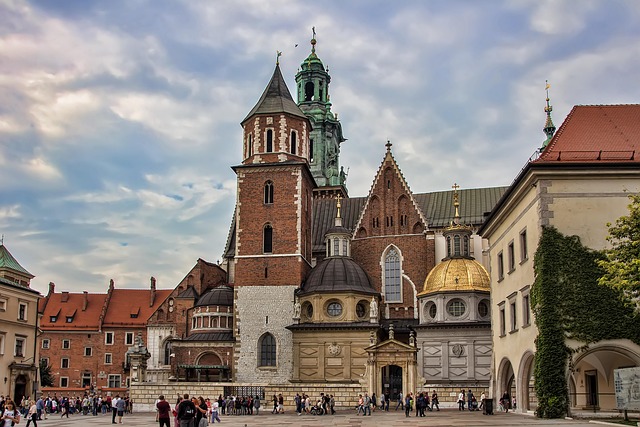
Kraków is a different beast, but equally interesting. Think cobbled streets, church towers, and more tourist photos than you can shake a selfie stick at, combined with long rows of modern office blocks full of global companies. It is one of Poland’s key tourist cities and a major service hub at the same time.
For an investor, that mix matters. Tourists come almost all year round, not just in July. Students fill the city every autumn. International staff arrive for jobs in finance, IT, and service centres and often stay for years. That keeps demand for small and mid‑size flats fairly steady, both in the old town area and in districts a few tram stops away.
You can target short‑term visitors near the centre, students around universities, or workers in neighbourhoods linked to office zones. There is no single perfect area. The right choice depends on whether you want your flat bursting with tourists in August, filled with one tenant on a long contract, or something between the two.
What It Really Costs to Buy a Flat in Poland
Let us go through the money step by step, because “it is cheaper” is true but too vague on its own.
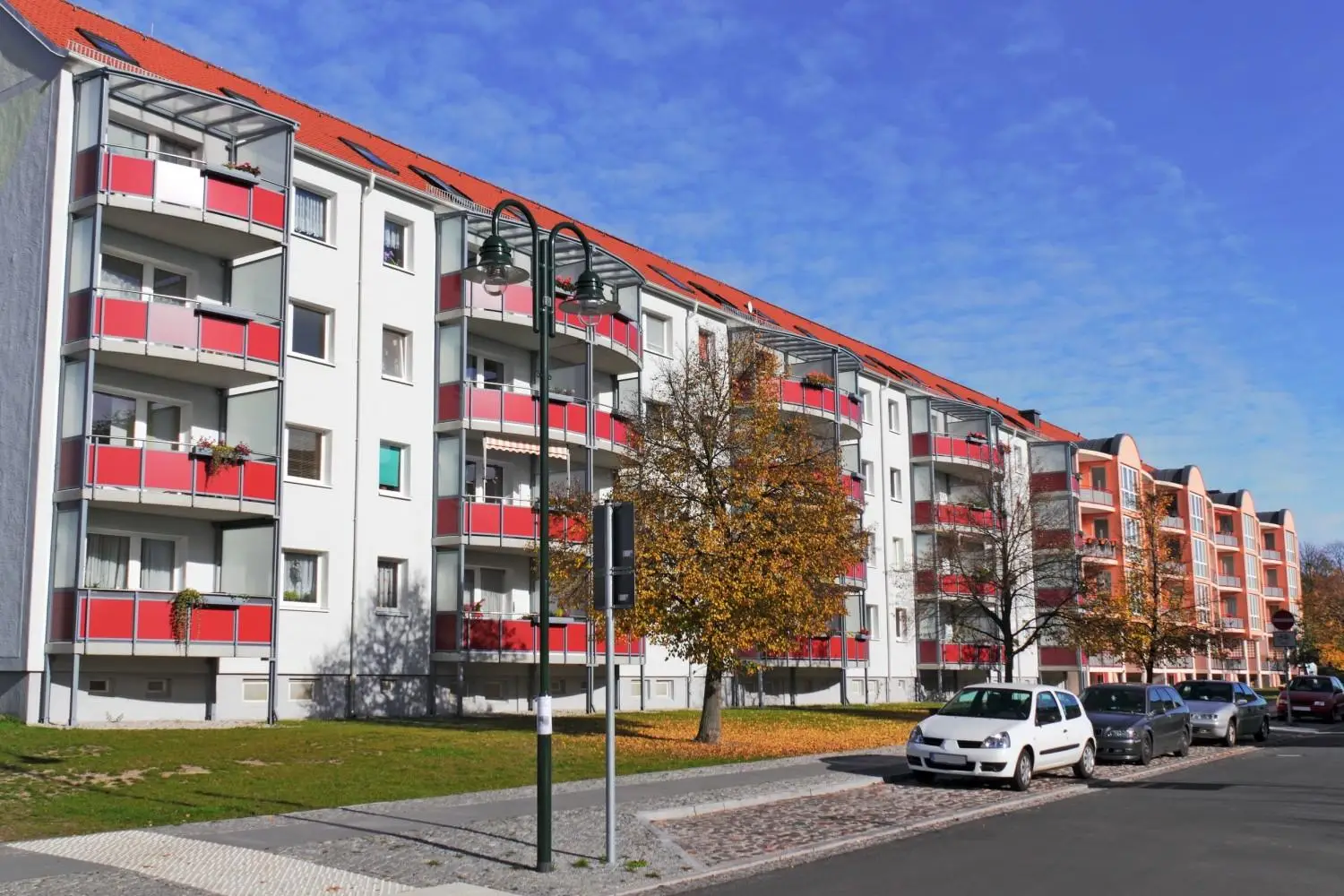
First, the purchase price. A normal central flat in Gdańsk or Kraków will usually cost much less than a similar place in Stockholm, Oslo, or Gothenburg. The exact numbers change with the market, but the gap is large enough that most people notice it fast. For the price of a modest flat at home, you may get a larger place in a strong Polish location.
But you do not just pay the ticket price. On top of that, you have a notary fee and registration fees. For many second‑hand flats, there is a civil law tax on the transaction. If you use an estate agent, they charge a commission too. Put all of this together, and you add several per cent on top of the flat cost. Before you go any further, ask for a full list of likely fees. You want to know the full price of the whole trip, not just the sticker on the car.
Once you own the flat, monthly running costs kick in. In a typical block, there is a building charge, which covers cleaning, rubbish collection, shared areas, and often heating and water. On top of that, you pay for electricity and internet, and a property tax that is usually quite gentle by Nordic standards. These fixed costs must go into your yield sums. There is no point in cheering over the gross rent if half of it vanishes in bills and repairs.
This brings us to yields. Gross yield is the classic pub chat number: annual rent divided by purchase price. In several Polish cities, this can look far better than in large Swedish or Norwegian cities. However, the important figure is net yield, after you strip out tax, building charges, maintenance, management fees, and a realistic allowance for empty months. Run the numbers with calm assumptions, not fairy‑tale ones. If the deal still looks good, you may have found something interesting. If the deal only works if the flat is full 365 days a year and nothing ever breaks, you are asking for trouble.
Tax and Reporting for Swedes and Norwegians
Tax is not the fun part of owning a flat, but ignoring it is a fine way to end up with letters you do not want.
In Poland, rental income is taxable. There are different schemes and rulesthat change from time to time, so you need a local accountant who can explain which options fit your case and handle your filings each year. They are usually not very expensive, and they save a lot of guesswork.
Back home, your Swedish or Norwegian tax office also wants to know about your rental income and any gains when you sell. Poland and the Nordic countries have tax agreements, so you do not end up paying full tax twice on the same income, but that does not mean you can skip reporting it. You usually declare the income in Poland, then report it again at home with credits or reliefs applied as the rules allow.
The safest route is simple: before you buy, speak with one adviser who knows your home system and one who knows Polish rules. Ask them blunt questions: what happens to my rental income, what happens when I sell, and what paperwork will I face each year?
How the Buying Process Works – From Idea to Keys
You can think of the buying journey in five steps, and none of them involves magic.
First, decide what you actually want. Is this a holiday flat that you also rent out a bit? A pure long‑term rental where you barely ever visit? A place for students? A base for business travellers? Your goal affects the city, the area, and the size of the flat.
Second, research areas. In Gdańsk and Kraków, there are districts that look pretty, districts that pay well, and districts that manage both. Check how close an area is to the old town, business zones, and major tram or bus lines. Look at crime rates, planned projects, and whether the building itself looks well-kept or ready to give up. Use local property sites, speak with agents who work with foreign buyers, and read posts from Swedes and Norwegians who already bought there. Their horror stories and success tales are free lessons for you.
Third, go and see some flats. Pictures online lie more than a teenager on a Monday morning. A “cosy” studio may turn out to be a dark box above a noisy bar. Step into the stairway, look at the lift, check the smell, and listen for noise. Walk the area in the evening as well as in daylight. Note how much work the flat needs: fresh paint is one thing, plumbing and full rewiring is another.
Fourth, once you find something you like, bring in the legal help. Ask your lawyer or adviser to check the land and mortgage register for the flat. You want to see clear ownership and no nasty legal notes or debts hanging off it. Agree with the seller on price, payment dates, what furniture stays, and what happens if someone pulls out. In many cases, you sign a preliminary contract and pay a reservation fee or deposit, which locks in basic terms until the final notary meeting.
Fifth, sign at the notary and register your ownership. The sale contract is read out, usually in Polish, and then signed. If you do not speak Polish, you should have an official translator or a bilingual notary present so you know exactly what you are agreeing to. Money is transferred through the bank according to the contract, and then the notary arranges for your ownership to be entered into the land and mortgage register. Once that is done, the flat is officially yours.
Life After Purchase: Tenants, Managers, and Spare Keys
Owning a flat in Gdańsk or Kraków from Sweden or Norway is perfectly possible, but it needs a bit of structure.
You first decide how you want to rent it out. Long‑term tenants, such as workers, families, or students, bring steadier income and fewer changeovers. Mid‑term tenants, like consultants and visiting staff, give you some flexibility and a bit more work. Short‑term guests, through platforms like Airbnb, where local rules allow, can bring higher income but more cleaning, key handovers, and neighbour complaints if you are careless.
Many remote owners choose long‑term or mid‑term tenants simply because they prefer calm cash flow and fewer panicked phone calls on a Sunday night. If you do pick short‑term rentals, you almost always need a strong local partner to handle the day‑to‑day grind on the ground.
This is where a property manager enters the scene. A good manager in Poland can handle tenant search, background checks, key handovers, inspections at move‑in and move‑out, small repairs, and contact with the building administration. They collect rent and send you reports, usually for a set share of the rent. In exchange, you keep your weekends free and do not find yourself wondering how to fix a broken boiler from your kitchen in Uppsala.
Even with a manager, try to visit your flat at least once a year. Walkthrough the building, look around the area, and take time to check the flat with your own eyes. Meet your manager and, if possible, your accountant or lawyer. These short meetings can prevent small issues from turning into expensive headaches later.
Real Risks – And How to Keep Them Under Control
There is no magic market where prices only go up, and tenants never spill red wine. Poland is no exception.
Property markets rise and fall. Prices in Gdańsk or Kraków can move in both directions over time. If you own Polish zloty while earning in SEK or NOK, exchange rates will also push your real return up or down. The sensible approach is to think long term and accept that there will be some bumps along the way. If you plan to hold for several years, a couple of weaker periods are less frightening.
Tenants can be late with payments. Some leave damage. Buildings throw up surprise repairs at the worst moments. To cope with that, you screen your tenants with care, use clear contracts, and put aside a reserve fund for empty months and repairs. That extra cash cushion can be the difference between a small annoyance and a full‑on crisis.
Rules can change as well. Tax rules, short‑term rental rules, or local ownership rules do not stay frozen forever. To keep up, stay in touch with your accountant, pay attention to local news, and join online groups for foreign owners. If there is talk of a new rule that could hit your setup, you want to hear about it early, not after the fact.
Cultural and Practical Tips for Scandinavians in Poland
You do not need to be fluent in Polish to own and manage a flat, but a little effort goes a long way. Learning basic phrases for greetings, thanks, and small chat helps build trust. For anything important, you stick to English, and you make sure your key contacts speak it clearly. After meetings or calls, it is worth asking for short written summaries in English, so you do not rely on memory or half‑heard details.
The real secret weapon is a small local team. One lawyer or legal adviser you trust. One accountant who knows how to handle foreign owners. One reliable handyman or small company for repairs. One property manager if you rent out. Once you have those in place, your role becomes more like a calm driver holding the wheel, instead of a passenger jumping from one emergency to the next.
Key Takeaways for Swedes and Norwegians Looking at Gdańsk and Kraków
Polish flats, especially in Gdańsk and Kraków, often cost far less than similar homes in Sweden or Norway while still sitting in cities with strong demand. As an EU or EEA citizen, you can usually buy city apartments without special permits, as long as you respect local law and procedure. Gdańsk brings Baltic coast charm and easy access from Scandinavia. Kraków offers historic streets, busy offices, and a steady stream of tourists and students.
Your success depends on clear goals, honest sums, proper legal checks, and a good local support team. Taxes and reporting add some admin, but with a Polish accountant and a home adviser, they are manageable. This is not a get‑rich‑quick game, but it can be a sensible way to add a real, solid asset to your long‑term plans.
Ready to Explore Flats in Gdańsk or Kraków?
If you are a Swede or Norwegian thinking, “This could actually work for me, the next step is to turn that thought into a simple plan. Decide on your budget, pick whether Gdańsk, Kraków, or both fit your style, and write down what kind of flat you want and how you expect to use it.
After that, speak with someone who works with Nordic buyers in Poland and ask for a clear checklist: which papers you must see, which checks to demand, and which local rules you should know before you sign anything. With that in hand, a quiet flat in Gdańsk or Kraków can stop being just an idea you talk about at dinner and start becoming a real part of your investment life.