
K E Y T A K E A W A Y S
 Foreign investors can tap into Poland’s city apartment market without major barriers, and those who team up with a solid local partner and tax advisor can navigate the rules cleanly while still pulling off highly efficient, professional flips.
Flipping in Poland still works – but only if you buy brutally below market, budget for nasty surprises, and treat tax and legal planning as weapons, not afterthoughts.
Forget easy double‑digit gains: in today’s Warsaw and Kraków, a disciplined 8 -12% net return is a win, and anything higher usually means you miscounted risk, not that you’re a genius.
For serial flippers, the taxman won’t ask if you’re “in business” – he’ll decide you are; that means VAT, ZUS and full accounting, so your structure and paperwork had better be bulletproof.
Disclaimer: This article is for informational and educational purposes only and does not constitute legal, tax, or investment advice. Polish regulations and tax rules change over time, and their application depends on individual circumstances. Always consult a qualified Polish lawyer and tax advisor before making any investment decisions.
Property flipping in Poland has become an increasingly popular investment strategy over the past decade. House flipping, a short-term investment strategy, involves buying undervalued properties, renovating them, and reselling for profit. Whether you’re a local investor or a foreigner looking to tap into Central Europe’s largest real estate market, understanding the legal framework, tax implications, and practical steps is essential before you commit capital.
This guide gives an overview of key points you should understand about flipping apartments and houses in Poland – from market context to legal and tax basics and a practical process outline.
Quick Answer: Is Property Flipping in Poland Worth It?
Property flipping in Poland is legal and can be profitable, but it is also regulated and taxed, and involves real financial and legal risk. The entire process requires careful planning, adequate capital, and a solid understanding of Polish law and market practice.
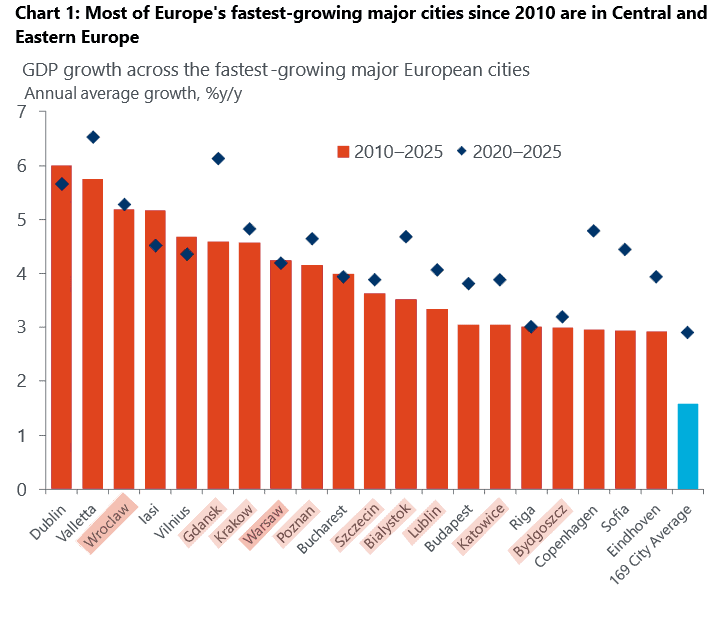
In the years 2020–2025, flat prices in major cities like Warsaw, Kraków, Wrocław, and Gdańsk recorded strong growth, in some years even reaching double‑digit annual increases in selected segments. Recent data for 2024–2025, however, show slower transaction volumes, the impact of higher interest rates, and stricter lending conditions, which means margins are generally thinner than during the pandemic boom and selling times can be longer in some districts.
In 2025, many experienced investors in Warsaw informally target net returns in the range of roughly 8–15% of total invested capital per flip, but this is not a guarantee. Actual results depend heavily on buying significantly below market value, accurate cost estimation, and efficient execution. Poor purchase decisions, underestimated renovation budgets, and delays can easily reduce returns to low single digits or even produce losses.
Foreign investors:
Nationals of EEA countries and Switzerland generally enjoy similar rights to Polish citizens in terms of buying residential property (especially apartments) in Poland, subject to certain exceptions.
Non‑EEA investors may need a permit from the Ministry of Internal Affairs to acquire specific types of real estate (particularly land with houses, building plots, agricultural or border‑zone properties), under the Act of 24 March 1920 on the Acquisition of Real Estate by Foreigners.
Important: Permit requirements and exceptions are technical, and the exact situation depends on the type and location of the property as well as the buyer’s status. Always verify your specific case with a Polish lawyer.
The rest of this article outlines: legal aspects, current market context, financing considerations, tax basics, and a practical flipping timeline with key steps that investors commonly follow.
What Is Property Flipping in Poland?
Real estate flipping in Poland follows the same basic principle as elsewhere: purchasing real estate at a price below market value, renovating it within a relatively short period, and reselling at a higher price to generate profit.
The key difference between short‑term flipping (often a 3–12 month holding period) and long‑term buy‑to‑let strategies is the exit timeline. Flippers aim for relatively quick capital appreciation, while landlords in cities like Warsaw, Poznań, or Gdańsk focus on steady rental income over many years.
Flipping occurs on both:
Primary market: New builds from developers, often in “shell & core” or basic standard, where value is added through interior finishing and layout optimisation.
Secondary market: Older apartments in panel blocks, post‑war or pre‑war tenements, typically requiring partial or general renovation.
Since around 2018, many Polish investors have started using SPVs—limited liability companies called “spółka z ograniczoną odpowiedzialnością” (sp. z o.o.)—specifically for flipping. This structure can offer tax planning options and limit personal liability, but also introduces corporate formalities (accounting, corporate taxation, potential VAT obligations).
Example Deal (Illustrative Only)
Consider an illustrative example of a 40 m² flat in a 1970s panel block in Warsaw’s Bielany district:
| Stage | Amount (PLN) |
|---|---|
| Purchase price | 520,000 |
| Renovation costs | 55,000 |
| Notarial fees, PCC, agent (purchase) | 18,000 |
| Total investment | 593,000 |
| Sale price (later year) | 640,000 |
| Gross profit | 47,000 |
After accounting for holding costs (charges, utilities, financing costs where applicable) and income tax, the net return in a scenario like this might end up around 6–7% of total capital employed. This is acceptable for some investors, but not exceptional, and shows how sensitive results are to purchase price, renovation discipline, and market conditions.
Disclaimer: The above is an example, not a typical or guaranteed outcome. Real‑world results may differ substantially.
Legal Framework: Seller Liability and Consumer Protection
Property flipping in Poland is governed by general civil law (including the Polish Civil Code), real estate law, and tax law. There is no separate “flipping act”.
One crucial concept is statutory warranty for defects (“rękojmia za wady”):
When a seller (including a flipper) sells to a consumer (an individual buying for private purposes), liability for physical defects generally lasts 5 years from transfer of ownership.
Hidden defects discovered after the sale (e.g. serious dampness, structural issues, dangerous electrical installations) may, depending on circumstances, give the buyer rights such as price reduction or rescission, or they may lead to claims for damages.
Key points:
In B2B transactions (company‑to‑company), the parties have more freedom to limit or exclude statutory warranty, if done correctly in the contract.
In consumer sales, liability cannot simply be “switched off” in a way that violates mandatory consumer protection rules.
Proper documentation of the property’s condition at sale (photos, technical reports, detailed handover protocol, precise clauses in the notarial deed) is therefore critical, especially for flippers dealing with older stock.
For pre‑war tenements and historically protected buildings, heritage rules and additional permits may apply; always check the building’s legal status before planning structural works.
When Flipping Becomes Business Activity
Under Polish tax and administrative law, repeated and organised flipping may be classified as a business activity. This typically depends on frequency, continuity, and the organised, profit‑oriented nature of your actions.
Reclassification can trigger:
Business taxation (PIT on business income or CIT for companies).
Mandatory social security contributions (ZUS).
Full accounting and reporting obligations.
Potential VAT registration duties (especially when selling new or substantially renovated residential units as part of economic activity).
There is no fixed legal threshold (e.g. “three deals per year”), but flipping several properties in a relatively short period and marketing yourself as a professional flipper significantly increases the risk of being treated as running a business.
Foreign Investors and Permits
The rules depend on what you buy and who you are:
Apartments (separate residential units):
In many cases, foreigners can buy apartments in Poland without obtaining a special permit. However, the Act of 24 March 1920 on the Acquisition of Real Estate by Foreigners contains exceptions, especially concerning properties with land in border zones or particular types of real estate.Land with houses or building plots:
Non‑EEA and non‑Swiss citizens often need a permit from the Minister of Internal Affairs to acquire land together with a house or building plots, subject to detailed statutory exemptions.EEA and Swiss nationals:
Benefiting from EU/EEA rules, they are generally exempt from the permit requirement for many types of acquisitions, though there remain restrictions on certain agricultural land and specific border‑zone properties.
Acquisition through inheritance or specific bequest is usually treated separately and may not require the same permit. Because the details are technical and important for legality, foreign investors should obtain case‑specific legal advice before entering into binding contracts.
Market Overview (Indicative)
Flipping activity tends to concentrate in large, liquid markets such as Warsaw, Kraków, Wrocław, Gdańsk (Tricity), Poznań, and selected Silesian cities.
According to recent price analyses and NBP reports:
Warsaw: central districts often reach high per‑m² prices, with outer districts somewhat cheaper, but still expensive compared with national averages.
Kraków, Wrocław, Gdańsk/Tricity, Poznań: all have seen strong price growth in recent years, albeit with differences in dynamics and local submarket behaviour.
In 2024, nominal prices in many segments still rose, but with slower transaction volumes due to higher interest rates and stricter mortgage conditions. For flippers, this translates into more negotiation opportunities in some cases, but also the risk of longer sale times and higher holding‑cost sensitivity.

Financing: General Considerations (Not Advice)
How you finance a flip materially affects risk and profitability:
Cash offers speed and strong negotiating power, but ties up capital.
Standard mortgages are often ill‑suited to quick flipping due to long approval times, early repayment penalties and stricter property condition requirements.
Some investors use short‑term investment loans, bridge‑type finance, corporate facilities, or private lenders, which may allow faster execution but at significantly higher interest rates and risk.
Any borrowing strategy should be matched with a realistic timeline, contingency for delays, and professional advice on contract terms.
Taxes: High‑Level Overview Only
Disclaimer: This is a simplified summary; tax treatment varies by situation and may change. Always consult a licensed Polish tax advisor.
Private Individual (Not in Business)
Sale of real estate within 5 years from the end of the calendar year of purchase can be subject to 19% income tax on the gain (PIT), with certain reliefs (e.g. reinvestment in one’s own housing needs within a specific period).
The taxable base is generally the difference between sale proceeds and documented costs (purchase, notary, agent’s fees, documented renovation, etc.).
When Treated as Business
If your activity is classified as business:
Income is taxed under business rules (PIT on business income or CIT, depending on legal form).
You may be obliged to pay ZUS contributions and maintain full accounting.
There may be VAT obligations, particularly when selling new or substantially renovated residential units under a business scheme.
Foreign Investors
Non‑residents are usually taxed on income from Polish real estate in Poland. Double taxation treaties may reduce double taxation, but foreign investors often must declare income both in Poland and in their home jurisdiction, depending on domestic rules.
Process Outline (Simplified)
A typical flipping project in Poland may go through the following stages:
Market Research: Analyse prices and demand in target cities and districts using portals and NBP data.
Legal and Technical Due Diligence: Check the land and mortgage register, encumbrances, ownership, building documentation, and perform a technical inspection.
Purchase: Sign a preliminary agreement, secure financing if used, then execute the final notarial deed in Polish (with sworn translation if needed).
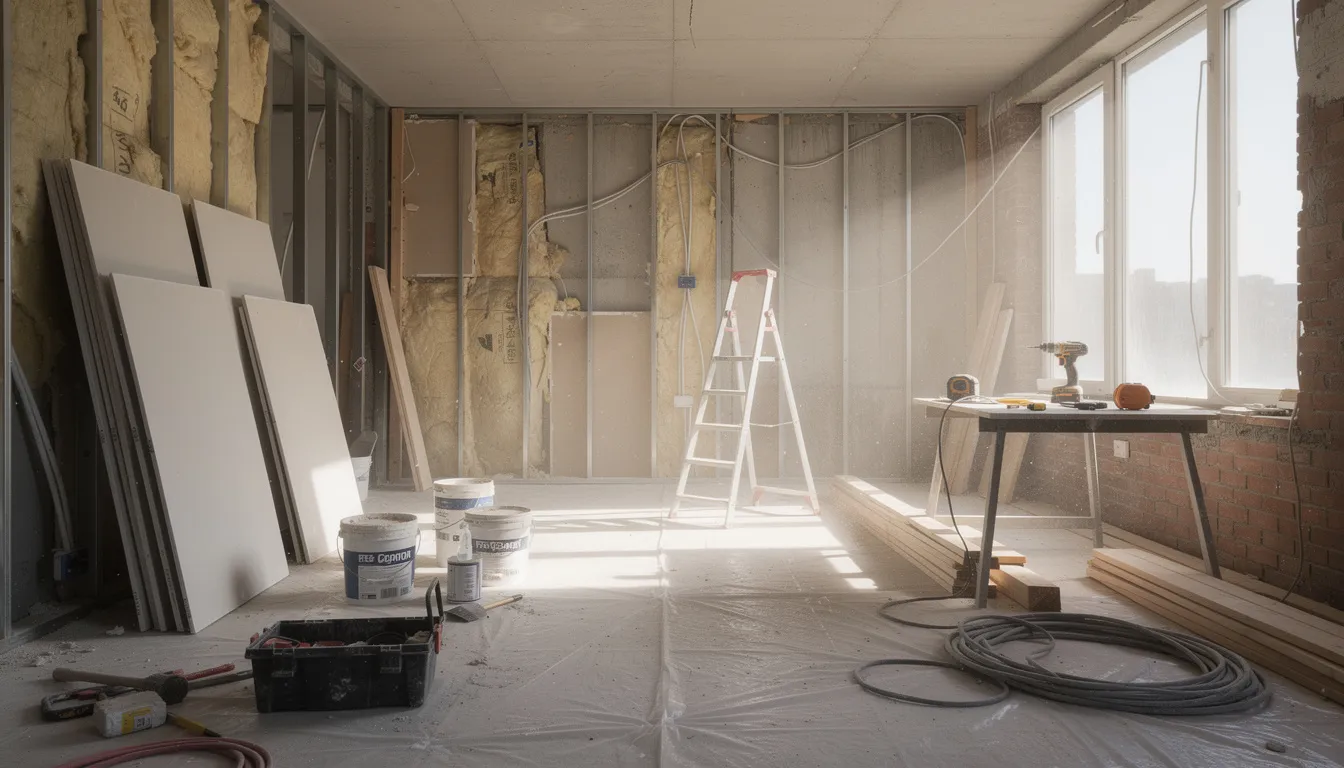
Renovation: Plan and execute works with licensed contractors; obtain permits for structural changes.
Staging and Marketing: Prepare the property visually, publish listings on main portals, potentially in Polish and English.
Sale: Conclude a preliminary and then a final notarial sale agreement with the buyer, handle handover protocols and utility transfers.
Time frames and complexity vary greatly based on location, property type, financing, and the parties involved.
Common Risks and Mistakes
Underestimating renovation costs and time (especially in older buildings).
Failing to check the land and mortgage register for encumbrances or disputes.
Overpaying in already “hot” districts with limited room for value‑add.
Ignoring tax and legal structuring until after the deal is won turns a seemingly profitable flip into a marginal one after taxes and costs.
The Polish real estate market remains significant in size and relatively attractive from a macro perspective, but the “easy” gains seen in the most dynamic years are unlikely to repeat automatically. Flipping in Poland tends to reward investors who are:
Conservative in their purchase prices.
Careful with due diligence and renovation management.
Proactive in obtaining professional legal and tax advice.
Before committing to any transaction, it is strongly recommended to:
Consult a Polish real estate lawyer on the legal structure, due diligence and contract provisions.
Consult a Polish tax advisor on income tax and VAT consequences tailored to your situation.
The cost of proper advice is typically small compared with the financial and legal risk of getting a flip wrong.

Step-by-Step: How to Flip a Property in Poland
Here’s a practical timeline from market research to resale, designed for both local and foreign investors.
Step 1: Market Research
Before purchasing any property, a thorough market analysis is essential:
Analyse average price per m² on Polish portals (Otodom, OLX, Morizon)
Check NBP quarterly reports for official price statistics
Identify high-demand districts in target cities
Study transaction history in specific buildings or streets
Understand local rental yields as a backup exit strategy
Time required: 2–4 weeks of active research
Step 2: Legal and Technical Due Diligence
Once you’ve identified a potential property:
Land and mortgage register check (“księga wieczysta”):
Verify ownership in the land register
Check for mortgages, easements, or encumbrances in the mortgage register
Look for pending court proceedings or claims
Confirm the property description matches reality
Building documentation:
Obtain building permits and occupancy certificates
Review co-ownership rules and agreements
Check for any disputes with the housing community
Technical inspection:
Hire a professional to assess plumbing, electrical, and structural integrity
Look for hidden issues: damp, mould, pest damage
Estimate realistic renovation costs
Time required: 1–2 weeks
Step 3: Purchase Negotiation and Signing
The purchase process involves two key documents:
Preliminary agreement (umowa przedwstępna):
Can be in simple written form or notarial form
Defines purchase price, conditions, and timeline
Includes deposit or earnest money (“zadatek”)
Final notarial deed (umowa sprzedaży):
Must be executed by a notary
Transfers ownership immediately upon signing
Should include all protective clauses discussed earlier
Time required: 2–4 weeks (longer if financing is involved)
Step 4: Renovation
Execution is critical to both timeline and profitability:
Hire licensed contractors with experience in similar properties
Obtain necessary permits for any structural works
Focus on high-impact, cost-effective improvements:
Kitchen and bathroom modernisation
Flooring replacement
Fresh paint throughout
Updated electrical and lighting
Typical timelines:
Cosmetic refurbishment (40–60 m² flat): 4–8 weeks
More extensive renovation: 8–12 weeks
Full gut renovation: 3–6 months
Build in a 20–30% contingency buffer for both time and budget. Hidden issues almost always emerge in older Polish buildings.
Step 5: Staging and Marketing
Polish buyers increasingly expect a professional presentation:
Home staging: Furnished properties typically sell faster and at higher prices
Professional photography: Essential for portal listings
Multi-platform listing: Otodom, OLX, Morizon, and agency networks
Bilingual marketing: Consider English listings in areas with many foreign buyers (Warsaw centre, Kraków)
Time required: 1–2 weeks for preparation, 4–12 weeks for sale (market dependent)
Step 6: Sale Closing
The final stage involves:
Accepting an offer and signing a preliminary agreement with the buyer
Supporting the buyer’s mortgage process if applicable (providing documents, allowing valuations)
Preparing the final notarial deed with all required clauses
Executing the deed at the notary’s office
Transferring possession with a detailed protocol (protokół zdawczo-odbiorczy)
Handling final utility transfers and administrative notifications
Time required: 3–6 weeks (longer if buyer needs mortgage approval)
Common Mistakes to Avoid When Flipping in Poland
Underestimating renovation costs:
Hidden defects in old buildings frequently exceed initial estimates
Always budget 20–30% contingency for surprises
Get multiple contractor quotes before committing
Neglecting land and mortgage register verification:
Easements can restrict property use or value
Outstanding mortgages must be cleared before the sale
Ongoing court proceedings can delay or block transactions
Ignoring co-owner disputes:
In buildings with shared spaces, disputes between parties can complicate sales
Check housing community minutes and financial statements
Overpaying in “hot” districts:
Premium locations like Warsaw’s Śródmieście or Kraków’s Kazimierz may already be fully priced
Little room for profit when buying at market value
Poor time management:
Long holding periods erode profit through:
Loan interest accumulation
Service charges and utilities
Opportunity cost of tied-up capital
Neglecting tax and legal planning:
What looks like a profitable flip on paper can become marginal or loss-making after taxes
Professional support from the start prevents costly mistakes
Is Property Flipping in Poland a Good Idea for You?
Property flipping in Poland can provide solid returns—but it requires capital, time, knowledge of the Polish real estate market, and tolerance for legal and tax complexity.
Self-Assessment Questions
Before committing to your first flip, honestly evaluate:
Capital access: Can you cover 40–50% of the property value in cash (including renovation)?
Risk tolerance: Can you absorb a 6–12 month delay in selling?
Local knowledge: Do you speak Polish or have trusted partners who do?
Professional network: Do you have access to reliable agents, lawyers, tax advisors, and contractors?
Time commitment: Can you manage the project actively, or will you need to pay for full project management?
Recommendations for First-Time Flippers
Start with one small apartment in a major city rather than multiple simultaneous projects.
Choose properties in liquid markets (Warsaw, Kraków central districts) even if margins are thin.r
Build relationships with professionals before you need them urgently
Calculate worst-case scenarios, not just best-case projections
Have a backup plan (rent the property) if the sale takes longer than expected
Professional Support You’ll Need
Real estate agent: For sourcing and selling
Real estate lawyer: For due diligence, contract review, and risk management
Tax advisor: For structuring and compliance
Contractor: For renovation execution
Notary: Required for all transactions
Looking Ahead: 2026–2028
Any serious flipper in Poland should monitor:
Interest rate trends: Cuts could stimulate demand; increases will further slow the market
Regulatory changes: Rental regulations, VAT interpretations, and potential new consumer protections
Economic conditions: Employment, wage growth, and foreign investment flows
Supply dynamics: New construction pipeline and developer activity
The Polish real estate market remains fundamentally attractive—strong demographics, EU membership, growing economy, and chronic housing undersupply in major cities. But the easy gains of 2020–2023 are unlikely to repeat soon.
Flipping in Poland rewards those who are well-prepared, patient, and realistic about returns. If that describes you, and you’re willing to invest in proper legal and tax planning, property flipping can be a profitable addition to your investment portfolio.
Ready to explore property flipping in Poland? Start by consulting with a qualified Polish real estate lawyer and tax advisor before committing to any deal. The upfront cost of professional support is minimal compared to the financial risk of getting it wrong.