
K E Y T A K E A W A Y S
 Manchester Beats London – And The Numbers Prove It
UK property values in many regions have roughly doubled since 2010, but today it’s yields that separate the winners: cities like Manchester and Birmingham often deliver around 5–7% gross returns in the better postcodes, while many parts of London sit closer to 3–5%. If your deal only works on a best‑case spreadsheet, walk away. Build in realistic assumptions for voids, repairs and interest‑rate risk, or you’ll end up quietly subsidising your tenant’s rent from your own pocket.
Buy‑to‑Let Works – But The Easy Money Left Years Ago
Standard buy‑to‑let can still produce roughly 4–7% gross yields in the right UK cities. But Section 24 has sharply reduced post‑tax returns for highly leveraged higher‑rate taxpayers, HMO licensing and compliance cost real money, and improving EPC ratings can easily run into five‑figure bills on older stock. In 2026, the winners tend to be patient investors in places like Manchester, Leeds and Birmingham who model tax, regulation and finance terms properly before they sign anything.
REITs: Property Without The 2 am Plumbing Disasters
REITs let you buy into diversified commercial or residential property from relatively small amounts, with many UK REITs historically paying dividends in the 4–7% range. Property crowdfunding platforms often accept tickets from around £500–£1,000 into student blocks, PRS schemes or logistics assets. The trade‑off is real: capital can be locked in for several years, platform and market risk are significant, and headline “target returns” are not guarantees. Always check FCA regulation status and read the offer documents at least twice before investing.
Developer Brochures Are Not Due Diligence
Glossy off‑plan brochures promising “guaranteed 8% yields” are marketing, not independent analysis. Real research means cross‑checking ONS and local authority data, Land Registry sold prices, rental evidence and forecasts from independent letting agents. Sensible budgets assume at least a 25% deposit plus stamp duty, legal and broker fees, surveys and a contingency for works and overruns. Paying for professional legal, tax and valuation advice up front is usually far cheaper than learning those lessons later via an underperforming deal.

Quick Answer: Are Property Investments Still Worth It in 2026?
Yes. UK property can still deliver solid returns in 2026 – but only if you pick the right locations, run realistic numbers, and structure things properly. This isn’t 2007 anymore. You can’t just buy anything with a door and expect it to print money.
Here’s the situation. The Bank of England base rate has bounced around since 2022, squeezing buyers who borrowed too much. Price growth cooled through 2023 and 2025 after the post-pandemic frenzy. But rental demand? Still strong. Cities like Manchester, Birmingham, Leeds, and Glasgow are bursting with tenants who can’t buy and need somewhere decent to live.
The verdict at a glance: property investment works well for long-term investors who want rental income and gradual capital appreciation. It’s less ideal for heavily stretched borrowers or anyone expecting to double their money in 18 months. If that’s your plan, you might want to reconsider.
This article breaks down the main investment opportunities in property available in 2026. We’ll cover the risks involved, the numbers you need to check, and how to choose what fits your budget, time, and appetite for hassle.

Why Property Still Attracts Investors in the UK
Hard Numbers: What UK Property Has Actually Done
Let’s start with facts, not feelings.
According to ONS figures, UK average house prices roughly doubled between 2010 and 2024 in many regions. That’s not “get rich quick” territory, but it’s solid capital growth over time – beating cash in the bank by a country mile.
Typical gross rental yields in 2024 sit between 4% and 8%, depending on location. Cities like Liverpool, Manchester, and Nottingham tend to offer the better numbers. London? Lower yields, higher prices, more headaches.
Here’s what many people miss: rent rises during 2022–2024 often hit 8–10% per year in high-demand city centres. That’s dramatically improved income yields even while price growth slowed down.
Take a practical example. A £180,000 flat in Manchester rented at £1,100 a month gives you roughly 7.3% gross yield. Factor in that rents have been climbing, and your income looks healthier than the capital gains headlines suggest.
The smart way to think about property? Total return. That’s rental income plus long-term capital appreciation. Focusing only on year-to-year price changes is like judging a car by its paint job.
Why Demand for Property Keeps Holding Up
The UK housing market has a fundamental problem: not enough homes.
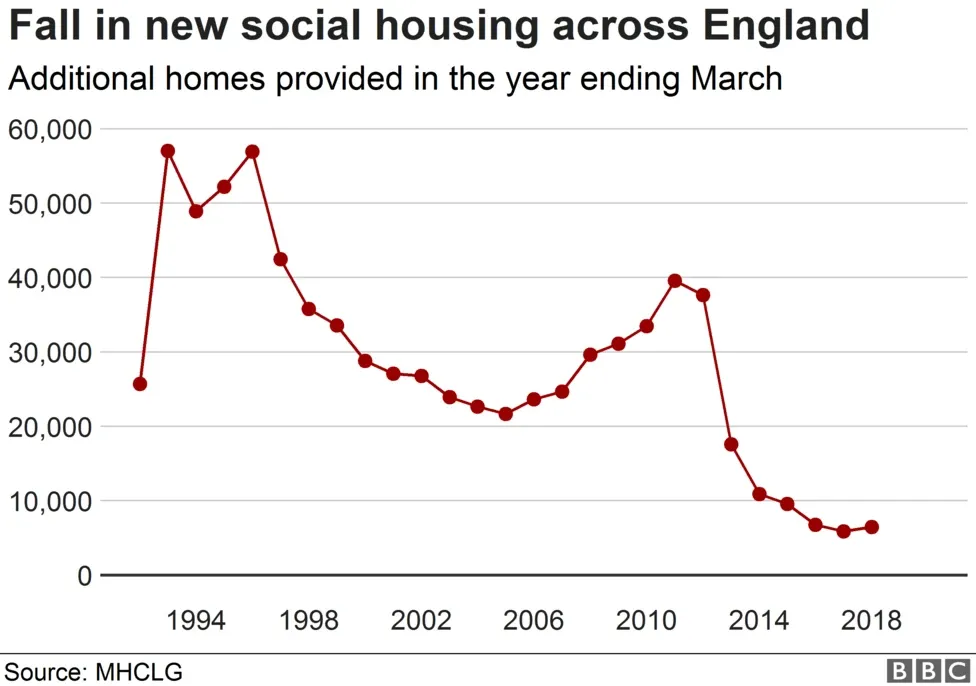
The government keeps talking about 300,000 new homes a year. Actual completions? Nowhere close. Add population growth, net migration, and tight rental stock, and you’ve got a recipe for sustained rental demand well into 2026 and beyond.
The pressure points are obvious:
Student cities like Leeds, Durham, and Dundee
Major job hubs, including Manchester, Birmingham, and Bristol
Commuter belts around London,n where people have been priced out of the capital
These areas create ongoing demand for residential properties. Potential tenants are queuing up. Landlords with decent stock in good locations aren’t struggling to fill voids.
But – and this matters – not every street is a goldmine. The idea that “property only goes up” is dangerous nonsense. It usually does, over time, in the right places. But there are plenty of streets where you’ll be underwater for years if you buy wrong.
Main Investment Opportunities in Property (Direct Ownership)
Traditional Buy-to-Let: Single-Let Flats and Houses
Standard buy-to-let is the bread and butter of UK property investment. You buy a flat or house and rent it to one household on an Assured Shorthold Tenancy. Simple enough.
For 2026, the strongest rental markets include:
Manchester (Ancoats, Salford Quays)
Birmingham (Jewellery Quarter, Digbeth)
Parts of Leeds and Sheffield with strong employment bases
Typical purchase prices in these areas run between £120,000 and £250,000. Average gross yields sit around 4–7%. With a 25% deposit and an interest-only mortgage, you can achieve positive cash flow from day one in many locations – provided you’ve done your sums.
This suits investors who want a relatively straightforward set-up and can hold for 10 years or more. It’s not exciting. It’s not glamorous. But it works.
The risks? Voids between tenants. Unexpected maintenance. Interest rate riseare s eating into your margin. And increasingly strict rules – EPC requirements, Section 24 tax changes that phased in by 2020, and more regulations coming down the track.
HMOs (Houses in Multiple Occupation) for Higher Yield
An HMO is a house split into three or more bedrooms rented to unrelated tenants on separate contracts. Think student houses or young professional sharers.
Why bother with the extra hassle? HMOs often deliver 8–12% gross yields in areas like Liverpool, Leeds, and parts of the Midlands. That’s significantly better than single lets.
But there’s a catch. Actually, several catches. You’ll need:
A licence from your local authority
Compliance with fire regulations
Planning permission in areas with Article 4 directions (most big university cities now)
This suits hands-on investors or those using specialist HMO management companies. You’re trading simplicity for higher income.
The risks are real. Higher wear and tear. More tenant turnover. Licensing costs. And the genuine danger of losing your licence if you cut corners. Local councils aren’t messing about on this stuff anymore.
Off-Plan and New-Build City Apartments
“Off-plan” means buying before the building’s finished – typically new apartment blocks in Manchester, Birmingham, Leeds, or London zones 2–4, with completion dates in 2026–2027.
The potential upsides:
Developer discounts for early buyers
New-build premium when you come to sell
Strong tenant appeal (gym, concierge, parking, EV charging points)
Low maintenance for the first few years
The risks:
Delays (sometimes years)
Developer failure (rare but devastating)
Overpaying in over-supplied micro-locations
Service charges that quietly destroy your yield
Example: reserving a £230,000 off-plan unit with a 20% deposit and projected rent of £1,250 per month. On paper, that’s a 6.5% gross yield. In practice, you need to factor in service charges, ground rent, and management fees.
This suits investors wanting a “hands-light” new asset who’ll accept slightly lower rental yields for easier management and reliable tenant demand.

Refurbishment and Flip Projects
Here’s where things get interesting for people who like getting stuck in.
The basic idea: buy a tired house in 2026, refurbish kitchens, bathrooms, and electrics, then sell or refinance once the market value has risen.
A typical example:
Purchase: £140,000
Refurb spend: £25,000
Target revalue: £210,000–£220,000 (based on sold comparables)
That’s a healthy profit margin – if everything goes to plan. Which it often doesn’t.
You need:
Tight costings with proper builder quotes
A 10–15% contingency for surprises
Awareness of 2023–2026 build cost inflation (materials aren’t cheap)
This involves proper project management. Planning consents. Building control sign-off. It’s ideal for people who enjoy property development and can handle the stress. It’s absolutely not for passive investors who want to set and forget.
The risks involved include overruns, planning refusals, market softening at completion, and tax on trading profits if you’re flipping regularly. HMRC considers that a business, not an investment.
Indirect Property Investment: Less Hassle, Lower Control
REITs and Listed Property Companies
Not everyone wants to unblock toilets at 2 am. Fair enough.
Real Estate Investment Trusts (REITs) let you invest in property through the stock market. You buy shares in companies that own property portfolios – warehouses, retail parks, build-to-rent blocks, and healthcare facilities.
UK REITs must pay out 90% of rental income as dividends. That’s attractive for income investors.
The advantages:
Low minimum entry (start with a few hundred pounds)
Instant diversification across many properties
Easy to buy and sell compared with physical property assets
No tenant phone calls
The disadvantages:
Share price volatility (your investment portfolio will wobble)
Limited control over what the company buys or sells
Performance tied to interest rates and stock market sentiment, not just rents
A well-known UK REIT might yield 5–7% in dividends, depending on the sector. Compare that to gilt yields in 2023–2024, and it looks reasonable. But you’re accepting different risks – more like owning stocks than owning bricks.
Property Funds, Crowdfunding and Co-Investment Platforms
Property funds and crowdfunding platforms pool money from many investors to buy or develop property. This gives you access to deals you couldn’t afford alone.
Typical projects include:
Student blocks in Dundee
Build-to-rent towers in Manchester
Logistics units near the M1 and M6
The features to understand:
Minimum investments typically £1,000–£20,000
Fixed terms of 3–7 years
Returns from rent, development profit, or both
The risks? Platform failure (it happens). Illiquidity (your money is locked in). Project delays. And the simple fact that capital is genuinely at risk – you can lose it.
Before putting money into any platform, check its FCA regulation status. Read independent reviews. Don’t be swayed by slick marketing and projected returns that look too good.
Capital-Lite Routes: Joint Ventures and Angel Funding
Some investors put in money while partners handle sourcingrefurbishingrb, and management. You split the profits or receive fixed interest.
This works for people with capital but limited time. The risk? It’s entirely relationship-driven.
Essential protections:
Formal legal contracts (not handshake deals)
Charges registered on the property
Clear exit plans
Independent legal advice before committing
One investor I know made £40,000 in 18 months, funding a partner’s refurb projects in the Midlands. Another lost £85,000 when a “trusted” partner disappeared with the money. The difference was paperwork.
Get expert advice. Get it in writing. Assume the worst.
How to Choose the Right Property Investment Opportunity for You
Match Your Strategy to Your Goals and Timeframe
Different goals need different approaches. Let’s look at three typical profiles:
Sam, 42: Wants £1,000 a month extra income within 10 years. Best fit: building a portfolio of 3–4 buy-to-let properties or HMOs in high-yield areas. Focus on cash flow over capital growth.
Alex, 38: Wants to flip 2 houses a year for lump sums. Best fit: refurbishment projects with quick turnarounds. Needs time, skills, and stomach for risk.
Chris, 50: Wants income for semi-retirement by 2030. Best fit: mix of buy-to-let for rental income and REITs for hands-off diversification. Steady does it.
Here’s the uncomfortable truth: property works best over 10 years or more. Readers looking to double their money in 12 months should either accept much higher risk or find a different game entirely.
Get-rich-quick property seminars are mostly selling dreams to people who’ll end up funding the seminar host’s property portfolio. Don’t be that person.
Risk, Leverage and Sleep-at-Night Factor
Borrowing magnifies everything. Gains. Losses. Stress.
Simple example: you put down £50,000 (25%) on a £200,000 property with a 75% LTV interest-only mortgage. If the property value rises 10% to £220,000, your equity jumps from £50,000 to £70,000. That’s a 40% return on your cash.
But if prices drop 10%? Your equity halves. And if interest rates spike, your mortgage payments eat all your rent.
Stress-testing is essential. Check if your rent would still cover the mortgage at 2–3% higher than today’s rate. Allow for voids (typically 4–8 weeks per year). Budget for repairs.
Here’s a rough guide to risk levels:
Lower risk: REITs, diversified property funds, single buy-to-let in strong areas with low leverage
Medium risk: Leveraged buy-to-let, HMOs with proper management, off-plan in established developers
Higher risk: Heavy leverage, flipping, crowdfunding on new platforms, joint ventures without proper legal protection
Pick a strategy that lets you sleep at night. Chasing maximum yield at maximum stress isn’t clever – it’s a recipe for selling at the worst time.
How Much Capital You Really Need in 2026
Let’s break down realistic starting points:
Strategy | Typical Cash Needed | Notes |
|---|---|---|
Single buy-to-let | £40,000–£60,000 | 25% deposit on £160k–£200k property plus costs |
HMO | £50,000–£80,000 | Higher purchase price, licensing costs |
Joint venture | £20,000+ | Depends on deal structure |
REITs/crowdfunding | Under £1,000 | Some platforms accept small amounts |
Main upfront costs to budget for:
Deposit (typically 25% for investment properties)
Stamp duty surcharge (additional 3% on second homes)
Legal fees (£1,000–£2,000)
Mortgage arrangement fees (often 1–2% ofthe loan)
Survey (£400–£800)
Initial refurb or furnishing budget
Worked example: Buying a £180,000 buy-to-let in 2026
25% deposit: £45,000
Stamp duty (3% surcharge included): approx. £7,400
Legal fees: £1,500
Mortgage fees: £2,000
Survey: £600
Buffer for furnishing/repairs: £3,000
Total cash needed: approximately £59,500
Keep an emergency buffer. Three to six months of mortgage and running costs are sensible. Don’t throw every spare penny at property and leave yourself exposed.

Due Diligence: Avoiding the Expensive Mistakes
Researching Areas and Yields (Without Spending All Day on Rightmove)
Shortlisting locations isn’t rocket science. Look for:
Strong rental demand (low void rates, quick lets)
Major employers (hospitals, universities, corporate HQs)
Transport links (HS2 changes, Metrolink extensions, new rail stations)
Regeneration schemes (council investment, new developments)
Practical research tips:
Check ONS data for population and employment trends
Read local council planning documents
Browse rental listings on Zoopla and Rightmove for market rates
Speak to independent letting agents – not just developers’ sales teams
Rough target yields for 2026:
Single lets in strong cities: 5–7% gross
HMOs in student/professional areas: 8–12% gross
London and South East: 3–5% gross (lower yields, higher capital growth focus)
To calculate yield simply: annual rent ÷ purchase price × 100.
Be deeply suspicious of shiny brochures promising “guaranteed rent” without clear backing. Those guarantees are often worth less than the paper they’re printed on.
Checking the Numbers: Cash Flow and Returns
Every property investment decision comes down to numbers. Here’s what to check:
Monthly income:
Gross rent
Monthly outgoings:
Mortgage interest
Letting agent fees (typically 8–12% of rent)
Insurance
Service charges (for flats)
Maintenance allowance (budget 10% of rent)
Void allowance (1 month per year = 8%)
Worked example: £200,000 property
Monthly rent: £1,100
Mortgage (5% on £150,000): £625
Letting fees (10%): £110
Insurance: £30
Maintenance (10%): £110
Void allowance (8%): £88
Net monthly cash flow: approximately £137
That’s before capital gains tax on any profit when you sell, and before income tax on the rent. The numbers need to work after expenses, not before.
Model three scenarios: worst-case, base-case, and best-case. If the deal only works in the best case, walk away. There’ll be other properties.
Legal, Tax and Regulation: The Boring Bits That Save You a Fortune
Nobody gets excited about tax rules. But ignoring them turns “bargains” into expensive lessons.
Key UK rules to understand:
Stamp duty surcharge: Additional 3% on second properties since 2016
Section 24: Mortgage interest relief phased out by 2020 for individual landlords – you pay tax on turnover, not profit
HMO licensing: Mandatory in most areas, with strict compliance requirements
EPC regulations: Minimum energy efficiency standards tightening in 2026
Company vs personal ownership:
Buying through a limited company (SPV) can be more tax-efficient for higher-rate taxpayers because mortgage interest remains fully deductible. But there are other factors – SDLT, mortgage availability, and exit costs.
This is not personal tax advice. Your individual circumstances matter. Speak to a property-focused accountant before buying.
Budget for professional fees as part of every deal. A good accountant and solicitor will cost you money upfront but save you far more over your investment journey.
Key Takeaways: Making Property Work for You, Not the Other Way Round
Here’s what actually matters in 2026:
The UK property market still offers genuine opportunities for long-term wealth building – but strategy, location, and numbers matter infinitely more than hype or “hot tips.”
There is no single “best” property investment opportunity. Buy-to-let suits some people. REITs suit seasoned investors who want diversification. HMOs deliver high yields but demand more work. The right property depends on your goals, timeline, and risk appetite.
Doing proper due diligence puts you ahead of 80% of amateur landlords who buy on emotion. Run realistic numbers. Stress-test for higher interest rates. Respect the regulations.
Your property investment journey should be built on data-driven decisions, not property seminar fever dreams. The track record of careful investors massively outperforms that of those chasing guaranteed returns from strangers on the internet.
And remember: you’re looking to invest in property for the long term. If you can’t hold for at least 10 years, consider whether this is really for you.
Your Next Step into Property Investment
Right. You’ve read the guide. Now what?
If you’re genuinely interested in UK property investments, here’s your next step:
Shortlist 2–3 target areas. Use the research methods above. Check rental demand, yields, and future projects. Run sample numbers on real properties currently for sale.
Create a one-page plan for 2026–2031. Write down: how much capital you have available, your monthly budget for building reserves, your preferred strategy (buy-to-let, HMO, REITs, off-plan developments, whatever), and your target income by a specific year.
Speak to a professional. Before committing any money, get expert advice from a regulated adviser and a property-focused accountant. Yes, it costs money. It’s worth it.
Whatever you do, don’t chase the latest “exclusive property investment opportunities” from some bloke at a networking event who’s wearing a shiny suit and promising 20% returns.
Property investment works. It’s built more personal wealth in the UK than almost anything else. But it works through patience, proper research, and realistic expectations – not through magic.
And on that bombshell, go run your numbers.